
High tech Surgeries
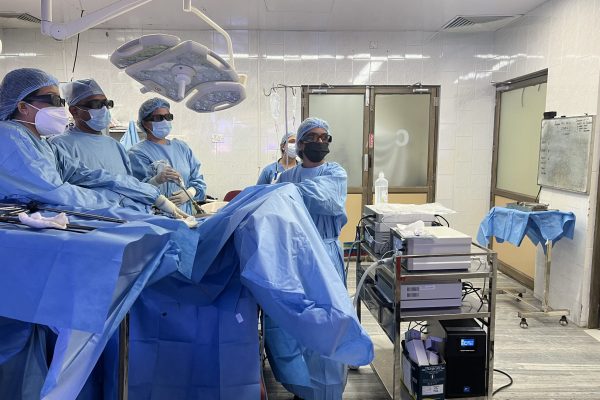
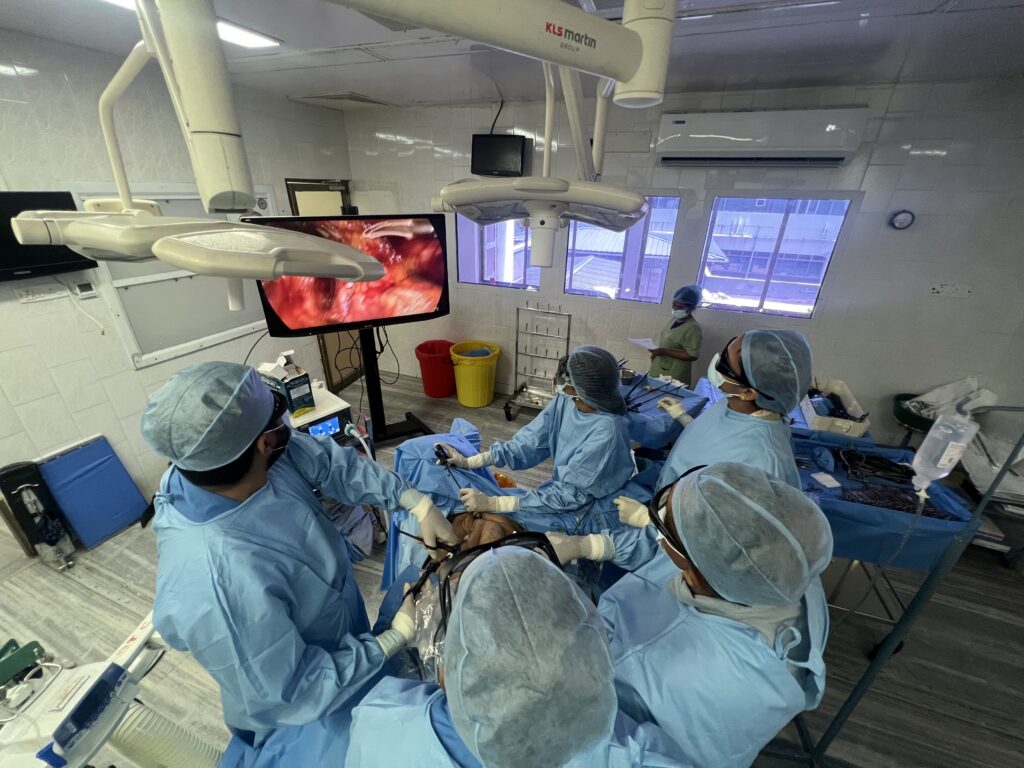
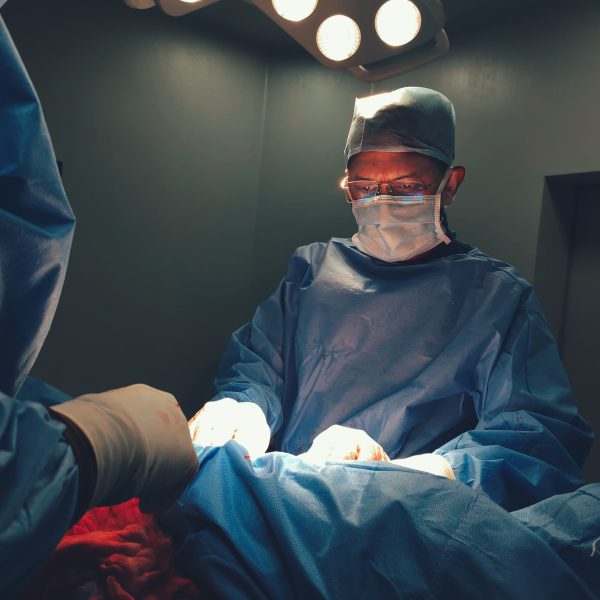
Punch line Technological advancements in cancer surgery have revolutionized patient care by improving precision and reducing invasiveness. Keyhole surgery (laparoscopy) enables tumor removal with minimal incisions, leading to faster recovery and reduced complications. Sentinel node biopsy allows targeted lymph node evaluation, while HIPEC (Hyperthermic Intraperitoneal Chemotherapy) delivers heated chemotherapy directly to the abdominal cavity during surgery, enhancing treatment efficacy for advanced cancers. Advanced 3D/4K Laparoscopic Surgery Sentinel Node Biopsy Hipec

F.A.Q
Is it safe for people with cancer to undergo laparoscopic surgery?
If a qualified oncological surgeon performs Laparoscopic Surgery according to established guidelines for Cancer Surgery, it will be a safe and effective procedure for patients diagnosed with almost every type of cancer.
What does Cytoreductive Surgery mean?
Cytoreductive Surgery is defined as the surgical procedure done on an advanced-stage abdominal cancer patient to remove as much of the visible tumor as possible prior to any other treatment. One of the goals of Cytoreductive Surgery is to reduce the amount of cancerous tissue present in the patient, thus improving the chances for successful treatment of that individual.
What type(s) of cancer can be treated by the Minimally-Invasive approach?
Minimally-Invasive (Robotic-Assisted) procedures can be performed to treat cancers of the Colon, Esophagus and Stomach, Gynecological (such as breast) Cancers and selected Abdominal Cancers.
What are the different types of Robotic Surgery for Oncology?
Absolutely. Patients are strongly encouraged to get second opinions before making decisions about any surgery for any type of cancer, but especially for patients who have a form or have been diagnosed with a complicated/advanced-type of cancer.